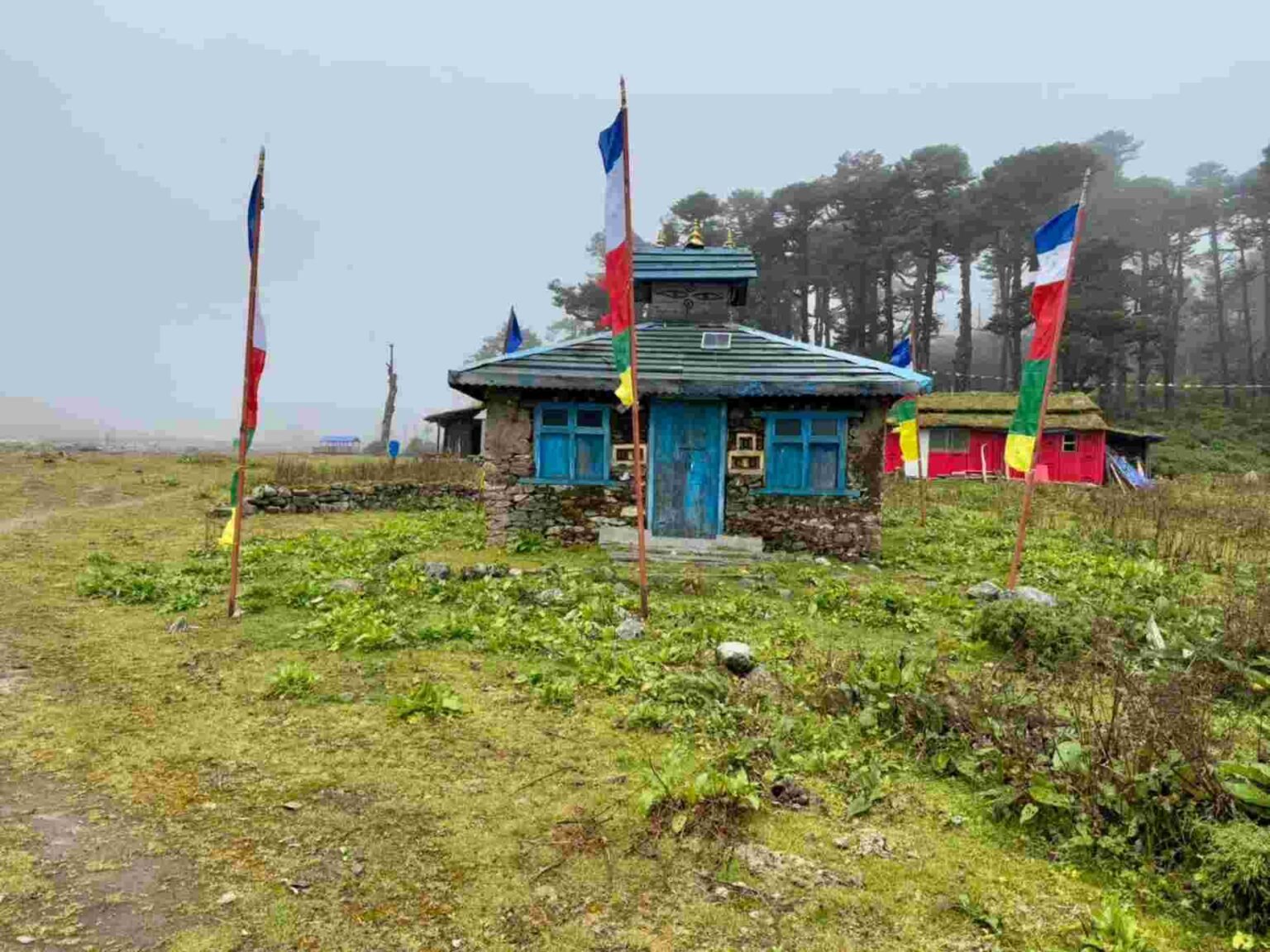

Getting ready for the Everest Base Camp hike means more than training or watching your breath at high elevations. Deep in Nepal’s Khumbu area live the Sherpa people, settled there for centuries, keeping trails alive with quiet strength. While some visitors fixate on views and how far they can walk, those who notice customs often find deeper meaning along the way.
- Life and customs of the Sherpa people
- Greeting Locals With Respect And Courtesy
- Respecting Monasteries and Religious Sites
- Dress Code and Modest Behavior in Villages
- Helping local businesses grow without harming communities
- Photography Etiquette and Asking for Permission
- Knowing and Honoring Local Ways
- Respecting Nature Within Cultural Practices
- Learning From Local Guides And Porters
- Responsible Travel in the Himalayas
Traveling with care shapes what happens next – real moments rise when traditions are honored quietly, without show. Because mountains carry stories, moving through them thoughtfully changes what stays with you long after.
Life and customs of the Sherpa people
High up near Everest Base Camp, Sherpa life grows from mountain traditions and Tibetan Buddhist ways. In places like Namche Bazaar, daily routines mix faith, shared homes, and work guiding trekkers. While walking Nepal’s trails, look closely – monasteries appear beside spinning prayer wheels. Mani stones line paths, carved with prayers; they carry weight beyond sight. Seeing them as holy, rather than just scenery, shifts how one moves through the journey.
Greeting Locals With Respect And Courtesy
Greetings matter more than you might think on the Everest Base Camp trail. Try saying “Namaste” with a slight nod – it lands well in Khumbu villages. Along Nepal’s mountain paths, how you hold yourself speaks just as loud as words. Quiet voices and open hands tend to ease exchanges in remote spots. The Sherpas welcome visitors freely, so meeting that warmth with care makes moments feel lighter. Moving through each day with small acts of decency shapes what people remember most.
Respecting Monasteries and Religious Sites
Deep in the Khumbu, prayer flags flutter above stone homes where faith shapes each day. Monks chant at dawn inside quiet courtyards reached by narrow paths. As you move along trails near Everest, spinning mani wheels mark your steps with intention. Passing stupas, go right – always circle them slowly, like water rounding a rock.
If drums echo during puja, stand back until silence returns. Snapshots might offend; hands down, unless someone nods approval. Quiet presence matters more than any checklist when walking through sacred ground.
Dress Code and Modest Behavior in Villages
Wearing the right clothes matters while moving through Sherpa communities during an Everest Base Camp journey. Around homes or sacred spots in Khumbu, simple attire tends to be welcomed more. When stepping into village spaces or temple grounds along Nepali trails, less skin showing makes a difference. Acting with care builds trust and also honors everyday customs. Noticing these details changes how deeply you feel each part of the trek.
Helping local businesses grow without harming communities
Spending time on the trails around Everest means chances to help people who live there. Instead of big outside companies, small family places offer meals and beds in Khumbu. These teahouses survive when trekkers stay with them. Local men often guide or carry gear because it’s their livelihood. When visitors buy what they need from nearby hands, money stays close. That kind of choice keeps villages strong without fanfare. Even simple things – like tea or bread bought at home spots – add up slowly.
Photography Etiquette and Asking for Permission
Snapping photos matters on the Everest Base Camp journey, yet care should guide every shot. Inside Khumbu villages, certain traditions aren’t open to outside eyes. Along Nepal’s mountain paths, seek approval first if people appear in view – particularly monks or older locals. Occasions like spiritual rites might block cameras completely. Honoring such limits keeps your adventure grounded in respect, not just records.
Knowing and Honoring Local Ways
Every step taken quietly near holy places shows more than silence – it speaks of care passed down through Sherpa lives. Moving without noise in spiritual zones isn’t just a habit, but part of a larger way of being together. Touching prayer flags or ritual tools? That waits unless invited, especially around Namche or Tengboche.
Feet aimed at shrines or others tend to offend, even if done by accident on long Himalayan trails. Knowing such details ahead shapes how one walks beside locals during an EBC journey – without needing words.
Respecting Nature Within Cultural Practices
Mountains mean more than rock and ice to the Sherpas – they carry spirits. Sacred peaks rise across Khumbu, watched quietly by prayer flags. Along Nepal’s trails, clean paths honor not just earth but tradition too.
Learning From Local Guides And Porters
Out there on the trail, people who live nearby often share what books never capture about Everest treks. Their voices carry meanings behind rituals, tales tied to places most maps ignore. When walking through Khumbu, paying attention to them makes space for a real connection. Respect grows quietly when thanks are given without expectation. Knowing their insights changes how a journey feels, layer by layer.
Responsible Travel in the Himalayas
Walking through the Khumbu means stepping into someone else’s world. Politeness opens doors where words alone might fail. Each greeting matters more than you think. Photos taken without asking leave mark that last longer than memories. Local teahouses thrive when travelers choose them over assumptions.
Sacred stones and prayer flags ask nothing – yet expect everything. A quiet nod at a monastery can speak louder than questions. Journeys shaped by listening often feel lighter on the ground. Every step forward carries weight, whether noticed or not. Base camp waits for everyone – but arrival means more when roots are honored along the way.