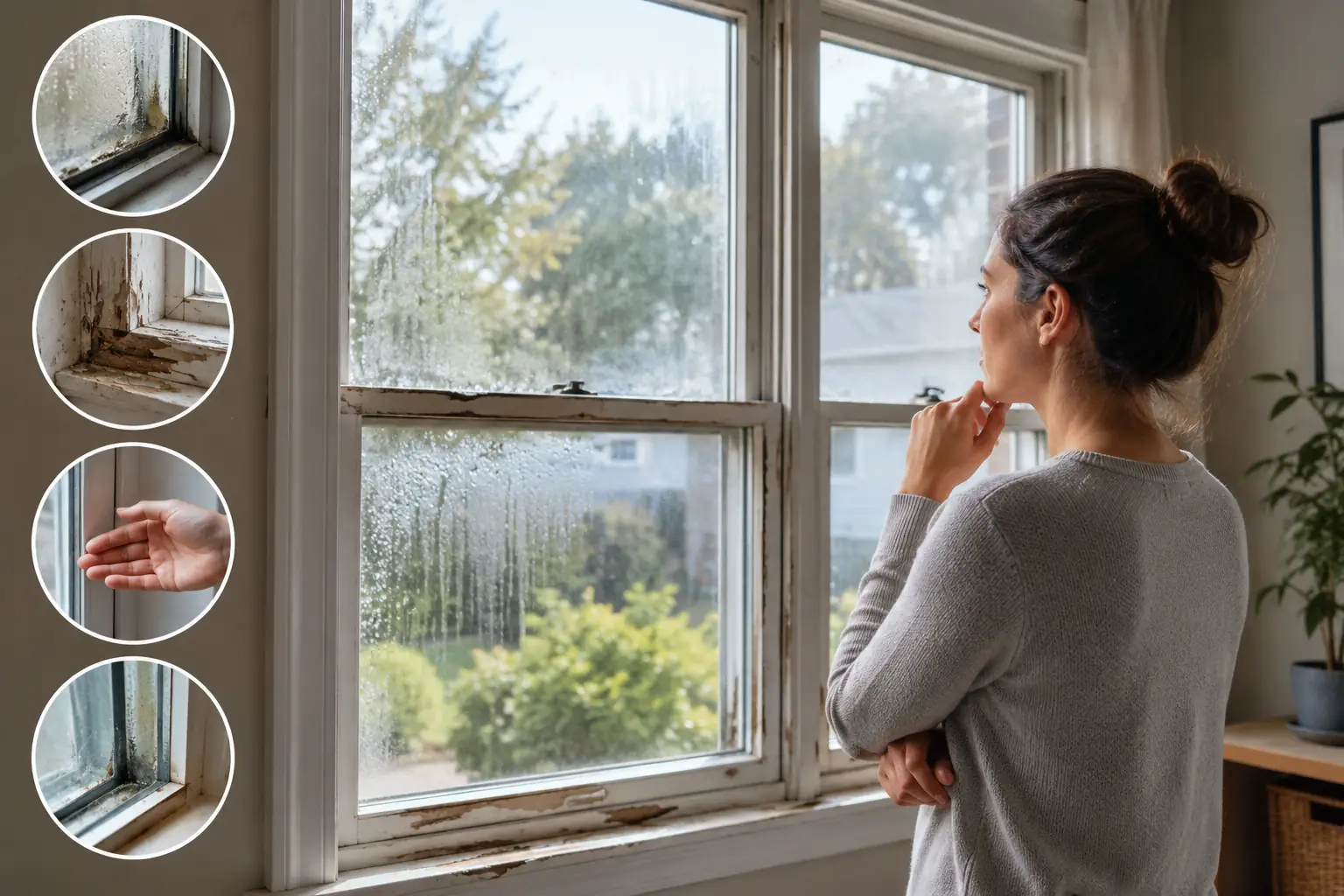

Updated windows help maintain indoor comfort, while improved performance supports more consistent room temperatures. As windows begin to show wear from everyday use, replacing them can restore functionality, enhance appearance, and improve overall home efficiency. Here are a few signs it’s time to replace windows in your home:
Drafty Window Seals
Drafts around window seals often indicate that the windows are no longer insulating the home effectively. During winter, outside air can enter through worn seals and make rooms feel colder near the windows. In summer, gaps around the frame may allow warm air inside, which places more strain on the cooling system. Seal deterioration usually develops as materials age, shrink, or separate from the frame over time. Some signs appear gradually, including uneven temperatures near lower sashes or along the edges of the glass.
When these problems continue, replacing the window can address the frame, glass, and sealing system at the same time. Modern replacement windows use updated sealing materials that help limit air leakage and support more stable indoor temperatures. Proper installation also matters because accurate fitting reduces gaps between the window unit and the wall opening.
Sticking Window Panels
Windows that are difficult to open or close may no longer fit properly within the frame. Exposure to moisture and temperature changes causes older frames or sashes to warp, which affects alignment and operation. As the shape changes, the sashes start to stick, drag along the frame, or refuse to stay open.
These operational problems can also interfere with ventilation and routine cleaning, especially when the sash no longer moves evenly along the track. Modern replacement windows are built with updated balances, tracks, and locking systems that support smoother movement during daily use. Many designs also require less maintenance because the hardware is made to resist corrosion and repeated wear. Proper installation plays a key role in long-term function. When the window is fitted squarely within the opening, the sash will slide or pivot with less resistance, which helps reduce strain on the frame and hardware over time.
Faded Window Frames
Faded, weather-worn window frames indicate it is time to replace windows in your space. Prolonged sun exposure and temperature fluctuations cause colors to fade and paint to flake, altering the appearance of the home’s exterior. Installing new windows often requires adjustments to the surrounding siding and trim so the exterior surfaces align correctly. This process helps create cleaner transitions around the window opening and supports a more uniform appearance.
Outdated Home Exterior
Older windows can disrupt the appearance of a home when other exterior features, such as siding or entry doors, have already been updated. Differences in frame color, profile, or finish make the exterior look less consistent, especially when older windows remain alongside newer materials. Replacing the windows allows homeowners to select frame styles and finishes that better match the surrounding trim, siding, and doors.
Matching window frames with the home creates a more consistent exterior appearance. Replacing older windows also allows homeowners to choose frame colors and styles that better fit newer exterior materials. When windows, siding, and doors share similar design details, the exterior looks more balanced and visually connected.
Damp Window Openings
Water stains near window frames or sills often indicate that moisture is entering or collecting around the opening. When drainage problems persist, moisture saturates the surrounding materials and gradually weakens the areas around the frame. Aging caulk, separated trim joints, and deteriorated frame materials may also allow water to pass behind the window assembly.
As these components break down, the window becomes less effective at shedding moisture during heavy rain or seasonal weather changes. Replacing damaged windows allows installers to evaluate the condition of the opening before the new unit is installed; updated sealing materials help protect the perimeter of the frame.
Hire Experts to Replace Windows
When window seals fail, moisture will collect between the panes and reduce the window’s effectiveness. Weather-resistant frames and insulated glass help limit leaks, improve insulation, and support long-term performance. If condensation or drafts continue to develop, a professional inspection will identify whether repair or replacement is the better solution. Contact a window replacement professional today to evaluate your existing windows and improve the comfort and efficiency of your home.