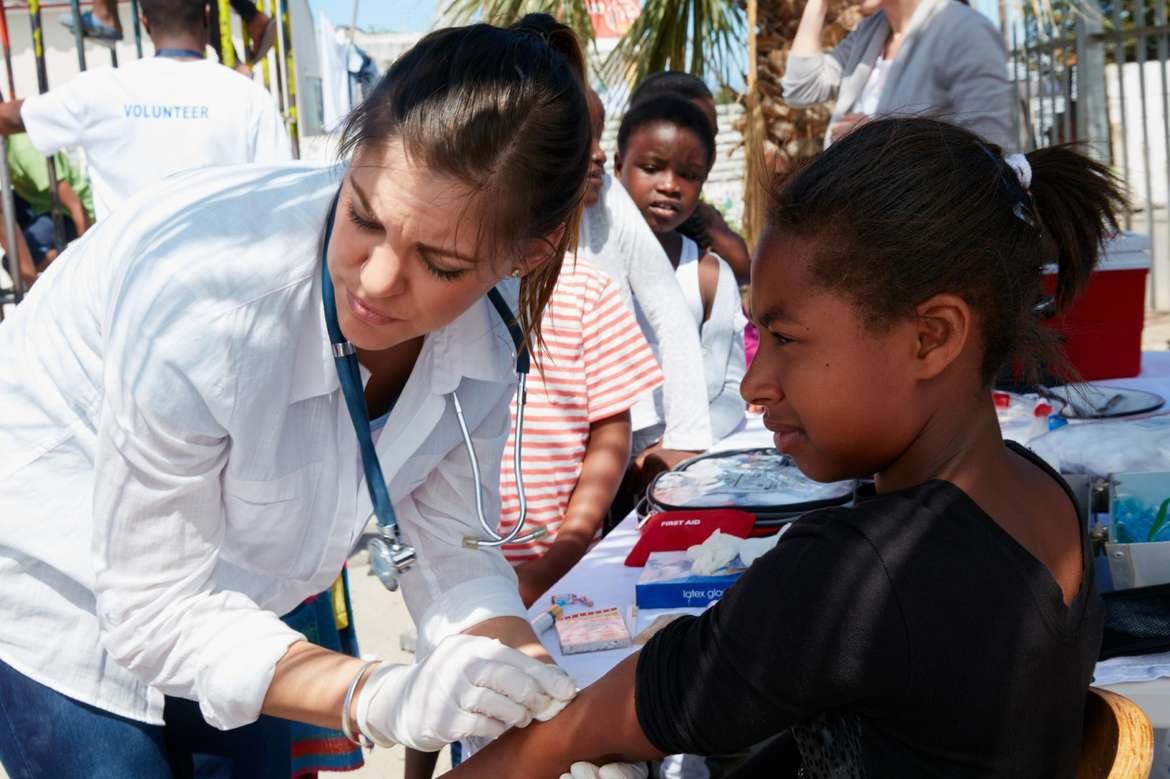

Healthcare organizations in communities have an important part to play in providing healthcare services to poor people in America. Unfortunately, a lack of sufficient financing, tough terrain, and fewer clients make it hard for them to be sustainable financially. It is vital to come up with the best healthcare financing options.
- The Importance of Financing for Rural Clinics
- Key Healthcare Financing Options Available
- 1. Government Grants and Federal Programs
- 2. Low-Interest Medical Loan
- 3. Equipment Financing and Leasing
- 4. Non-Profit and Community-Based Funding
- 5. Revenue-Based Financing
- Challenges in Financing
- Ways to Get Affordable Financing
- Conclusion
The Importance of Financing for Rural Clinics
Operating on a shoestring budget is common for rural clinics, and at the same time, they have to bear higher costs. Whether it is getting medical equipment updated or recruiting highly competent staff, having funds at hand is of utmost importance. Hospitals that lack suitable healthcare financing options will find it difficult not only to improve the services but even to keep up with the minimum healthcare standards.
Besides that, a lot of rural healthcare centers rely a great deal on government funding, and such funds may be postponed or have only a limited scope. This is why healthcare financing outside government sources becomes very important in keeping one’s finances going.
Key Healthcare Financing Options Available
1. Government Grants and Federal Programs
Grants from the government are one of the best ways to finance rural clinics, primarily through the involvement of the federal government (Federal Government Funding). This kind of government funding involves finances that can only be spent on health care services provided to people who live in rural areas through the Health Resources and Services Administration and other programs run by the government.
Grants can also be used for constructing infrastructure, increasing the reach of telemedicine, or training the workforce in offering health care services.
2. Low-Interest Medical Loan
The conventional financial institutions and the specialized ones offer a low-interest medical loan to those clinics that qualify for such a loan. This loan is ideal for purchasing medical equipment, expanding the facility of the clinic, and handling costs. The loan is tailored to meet the requirements of medical facilities better than conventional loans, hence making it one of the simplest ways to finance healthcare.
3. Equipment Financing and Leasing
For any clinic, medical equipment will account for a huge share of its expenses. A clinic can use medical equipment financing to get the tools they need without having to make very large upfront payments. Leasing is a great, flexible way for a clinic to get continuous access to the latest technology, especially when they need to upgrade gadgets frequently. Both of these measures are excellent healthcare financing options that can lead to the reduction of a clinic’s financial burden while also guaranteeing them access to the latest equipment.
4. Non-Profit and Community-Based Funding
Some organizations that are considered as being non-profits and community-based funding are Community Development Financial Institutions (CDFIs). Such institutions provide financing in order to improve the health care situation in the rural areas where there is limited health care available.
Apart from financial help, such non-profits also provide low-interest rates and flexible payment terms, unlike other lenders. This means that they can serve as an option for obtaining financing for clinics with little financial history.
5. Revenue-Based Financing
Revenue-based financing gives the ability to the clinics to pay back their loans in proportion to the amount of income they earn each month. This approach works best when clinics have varying numbers of patients each month. It makes repayment easy and flexible, and can be considered one of the most flexible healthcare financing options.
Challenges in Financing
Healthcare financing comes with a lot of challenges, and the small rural clinics are the worst affected. They don’t have the:
- Credit History to Back Them Up: Most traditional loans require good credit history
- Patient Volume is Low: It is difficult to convince lenders if income projections are not good
- Geographic Isolation: There are hardly any financial institutions in rural parts
- Administrative Complexity: It can take a lot of time to figure out the paperwork for getting grants and funding programs
Facing such difficulties, clinics must plan their financing really well and pick the best healthcare financing options.
Ways to Get Affordable Financing
- Maintain Proper Business Records: Proper maintenance of your business records will assist you in getting a business loan from the bank.
- Finance Your Venture Through Several Sources: Financing your business through several sources will help you reduce your risk.
- Get a Low-Interest Loan for Your Equipment: It would be best if you maintained a good credit history to get low-cost loans.
- Collaborate with Other Agencies: Collaborating with other agencies will help you finance your venture and give you various options in financing healthcare.
- Adopt Telemedicine: The utilization of software and technologies to provide services to your clients will enable you to have extra sources of funding.
Conclusion
The availability of good healthcare financing options may have a great impact on the future development of such rural or community health facilities. Despite many difficulties that might emerge throughout the process, the use of government initiatives, grants, and other community-based financing programs may ensure that a proper financial basis for these facilities is provided. It is achieved through analyzing different healthcare finance techniques and making wise financial decisions.